
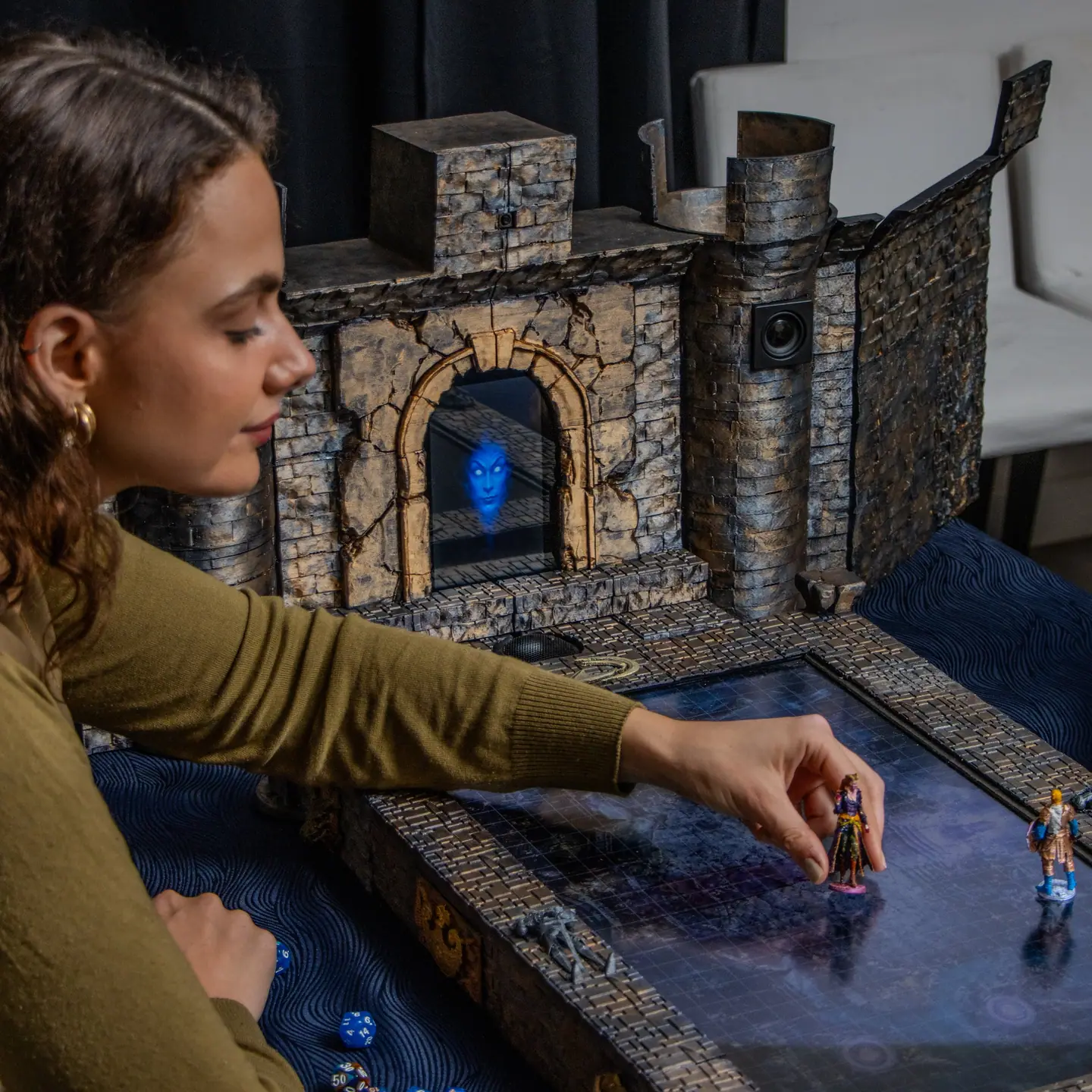
Computer Vision in Gaming: When the Camera Becomes an Input
How computer vision lets games understand physical objects, movement and camera input instead of relying only on controllers.
Research, explanations and ideas from the team building at the intersection of AI, gaming hardware, computer vision and tabletop technology.
Page 1 of 2 · 12 articles
How computer vision lets games understand physical objects, movement and camera input instead of relying only on controllers.
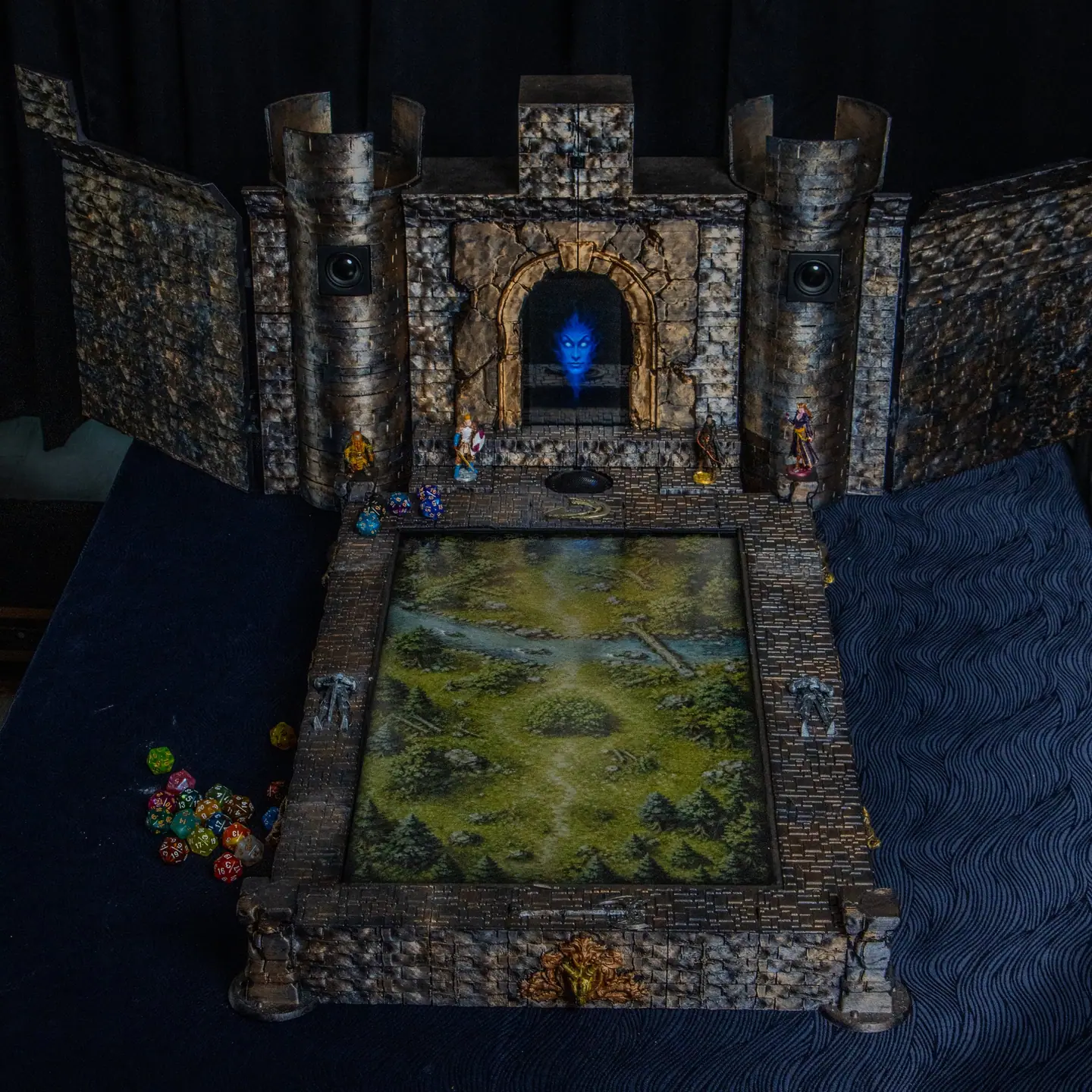
How generative AI can move games from fixed content toward worlds that respond and create new material during play.
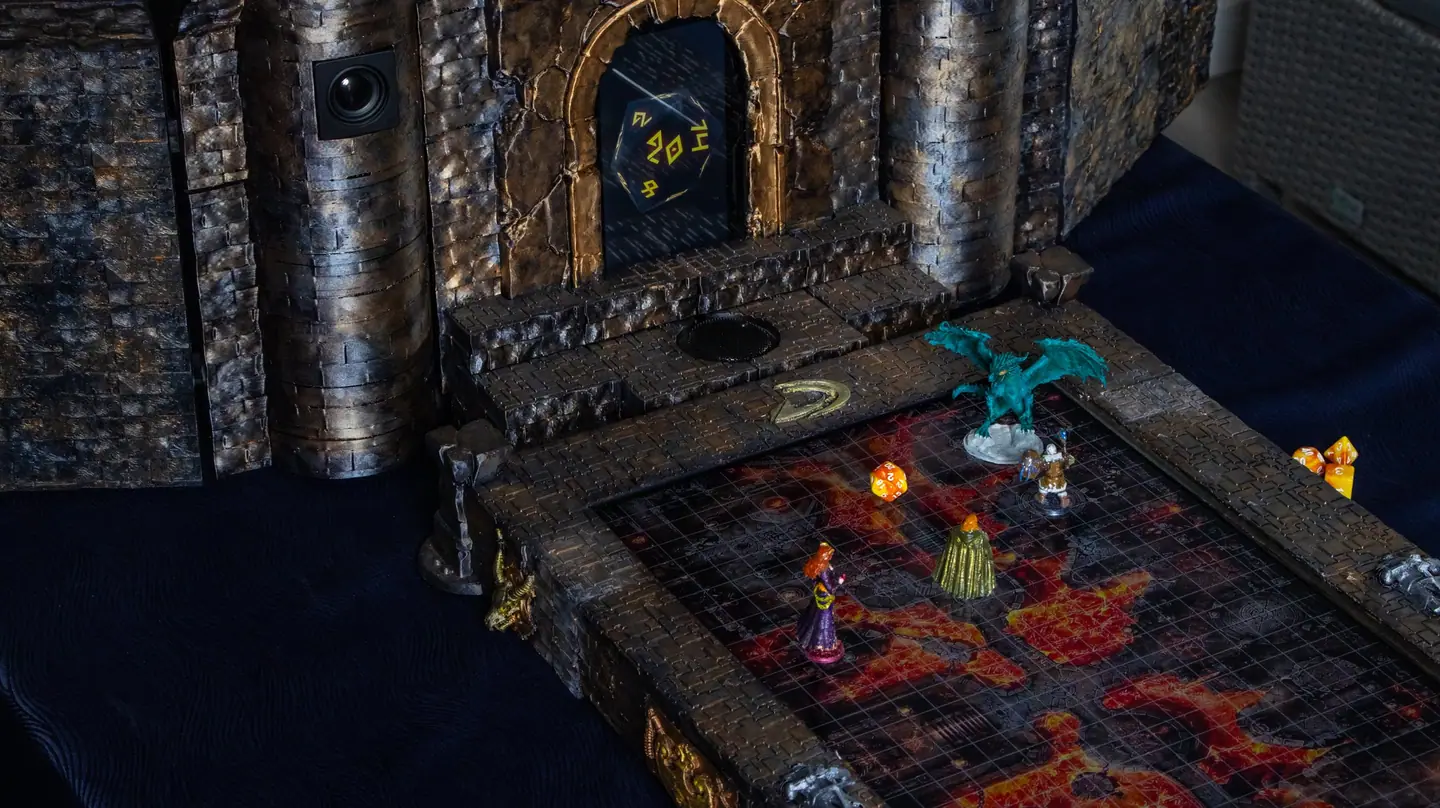
A practical look at how AI can support maps, NPCs, rules, campaign memory and game master workflows while preserving physical tabletop play.
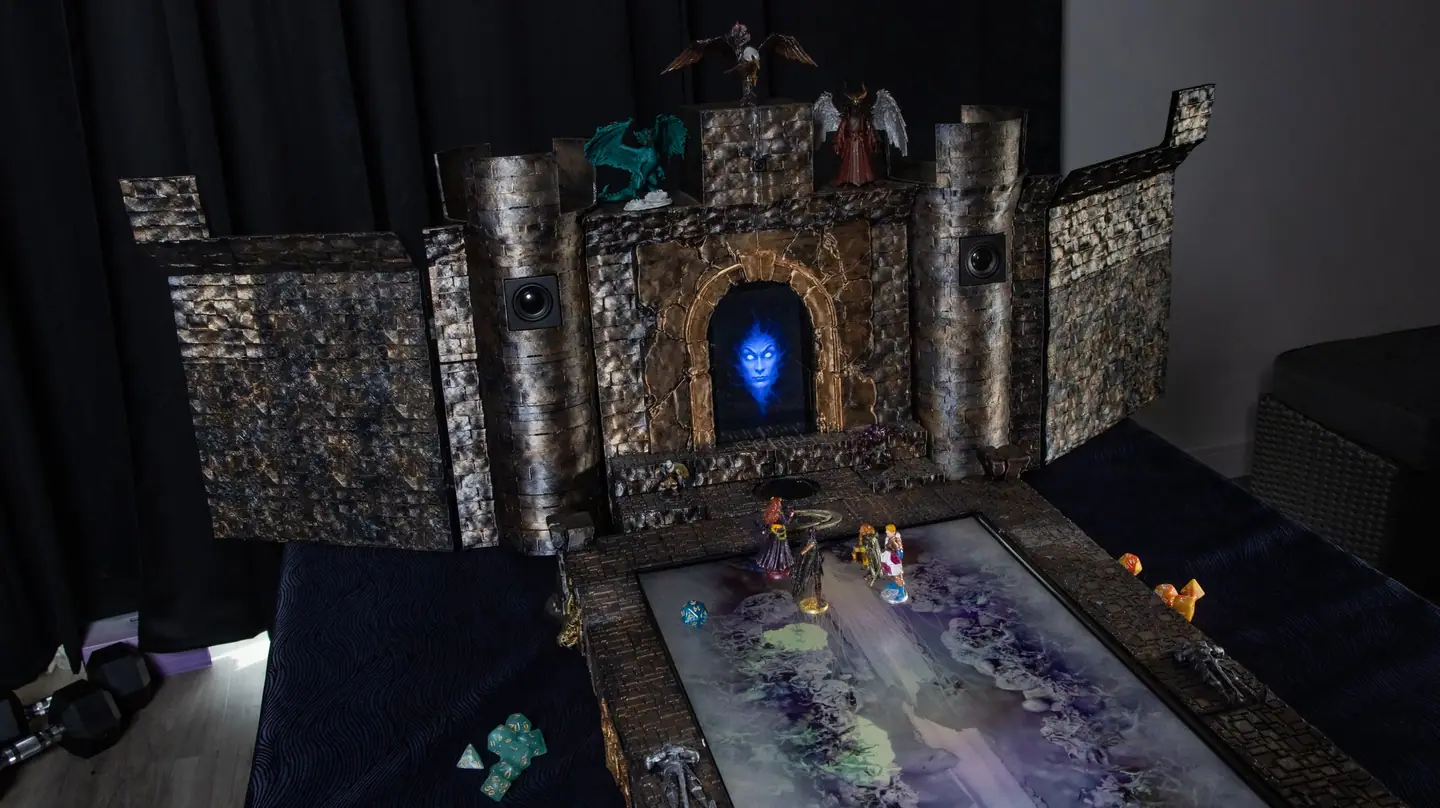
A technical introduction to recognising physical dice with cameras, from detection and perspective to confidence and tabletop conditions.
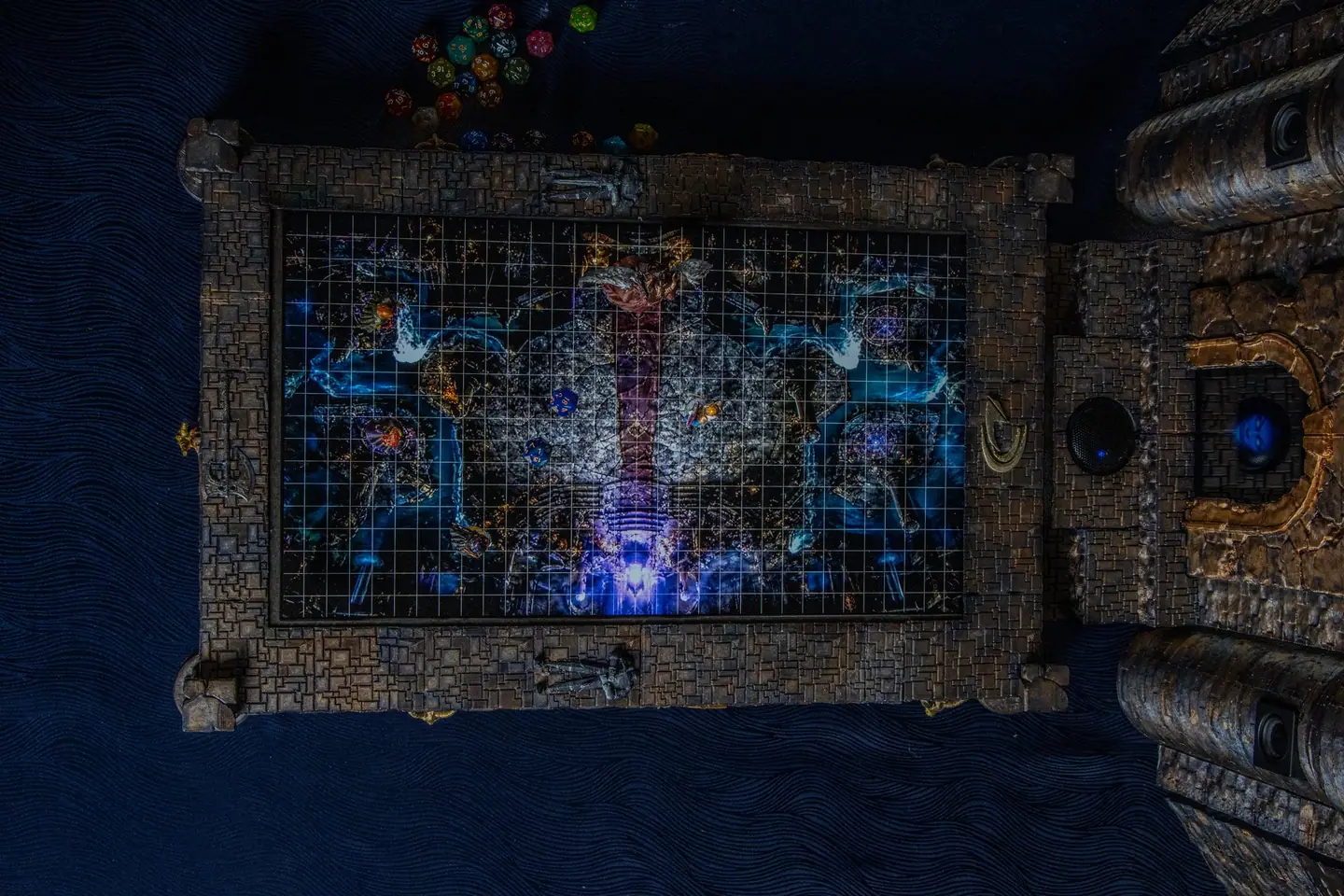
How camera based miniature tracking can connect real physical pieces with digital maps, positioning and game state.
Why real time map generation matters when players leave the prepared path, and what a useful generated map needs beyond visual quality.
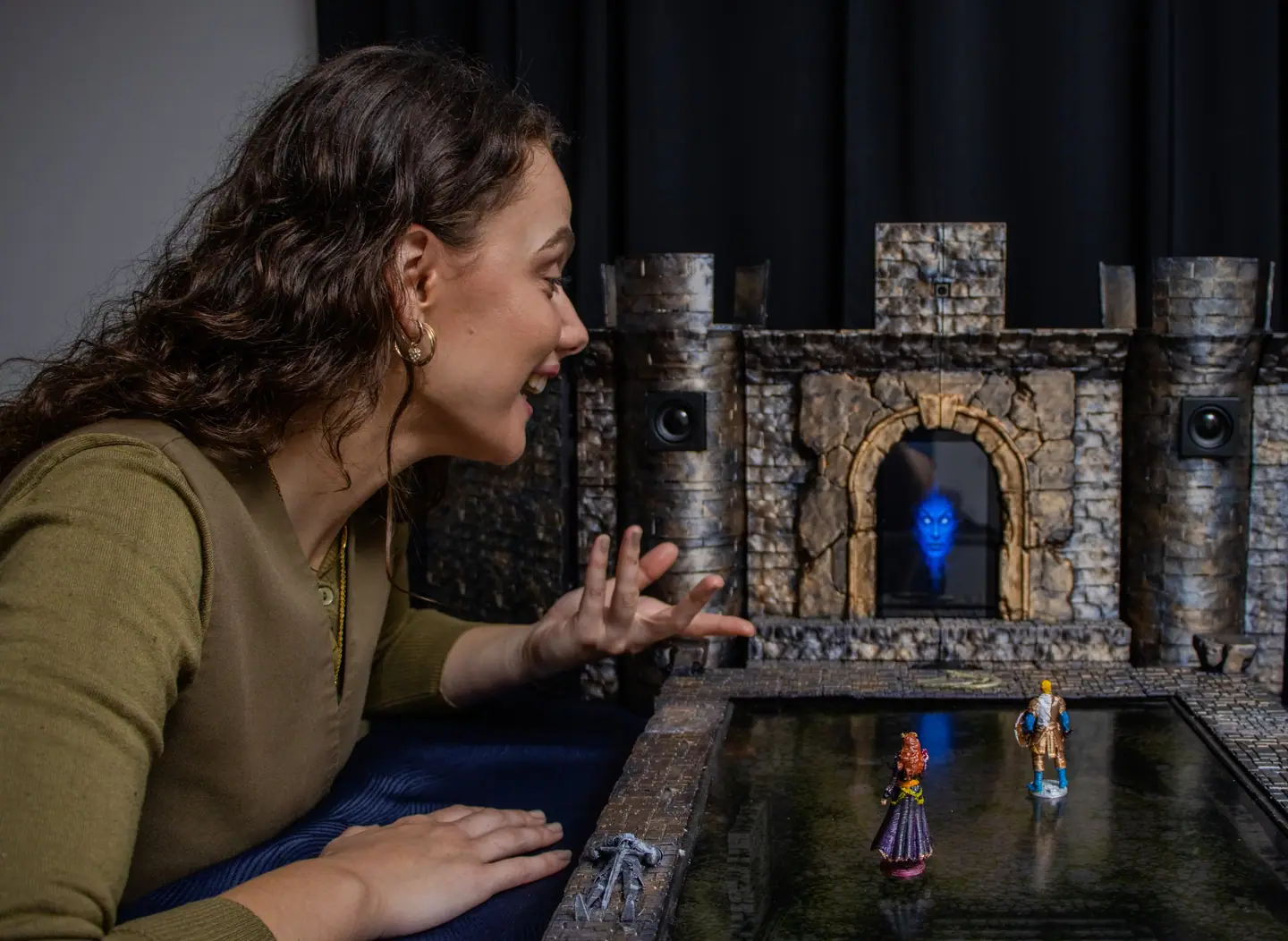
Why the next generation of tabletop gaming may combine physical objects, shared screens, AI and connected tools rather than choosing one format.
What AI gaming means, how modern AI changes game systems, and why generative and multimodal technology are expanding what games can do.
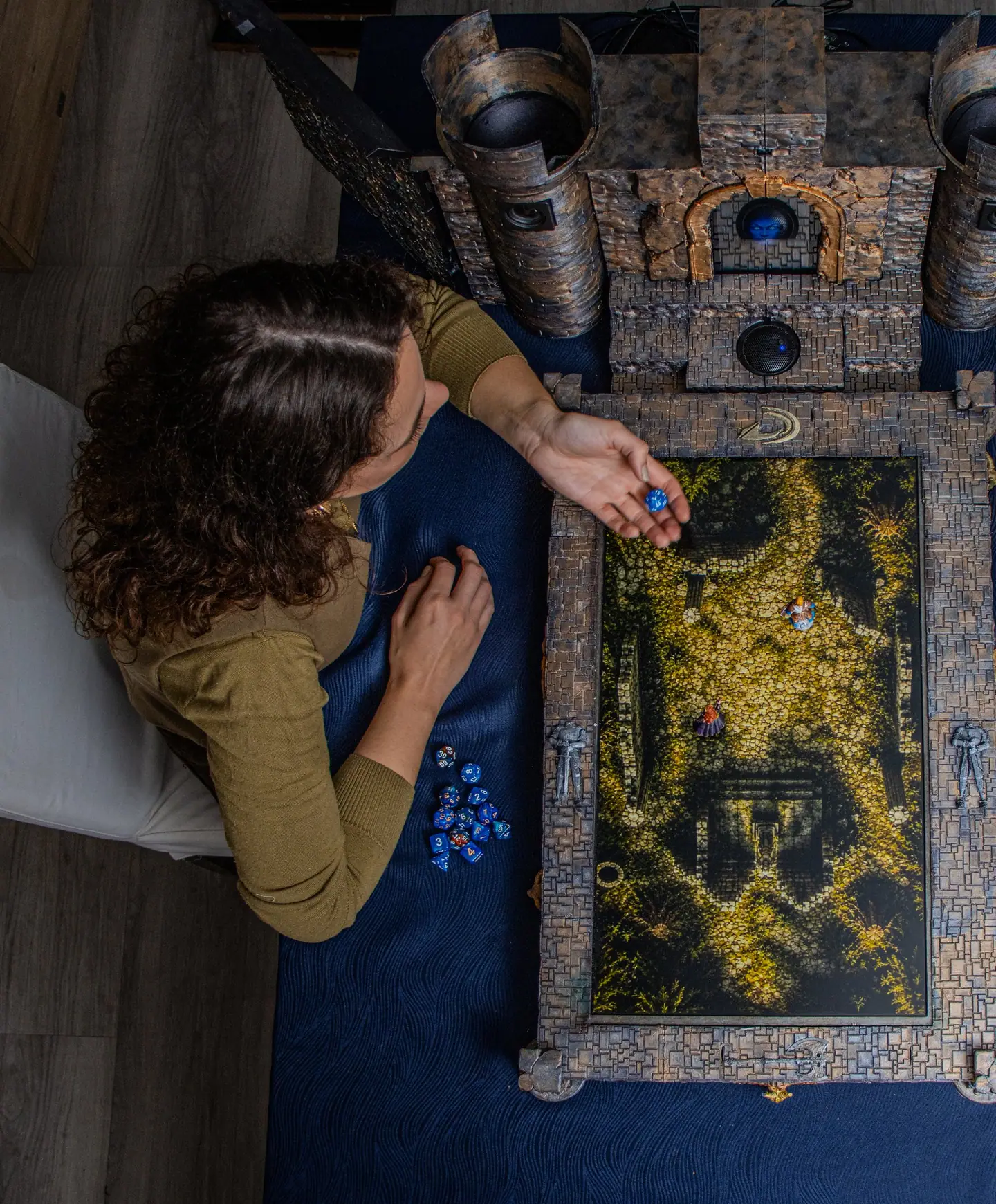
What an AI Game Master can do, how it differs from a human GM, and why control, memory, rules and pacing matter.