
TTRPG technology includes the software, hardware and online services used to support tabletop role playing games.
The category is broader than virtual tabletops. It includes character tools, campaign management, digital maps, audio, streaming, rules references, creator platforms, AI assistants, computer vision and dedicated gaming hardware.
The technology follows the jobs at the table
A Game Master prepares locations, tracks characters, controls information and reacts to player choices. Players manage characters, communicate decisions, roll dice and interact with the world.
Different technologies address different parts of that workflow.
A virtual tabletop digitises maps and tokens. A campaign tool organises information. An AI assistant can retrieve or generate content. Computer vision can connect physical objects with digital state.
The next step is integration
Many groups already use several tools at once. The friction appears when each one has its own state and interface.
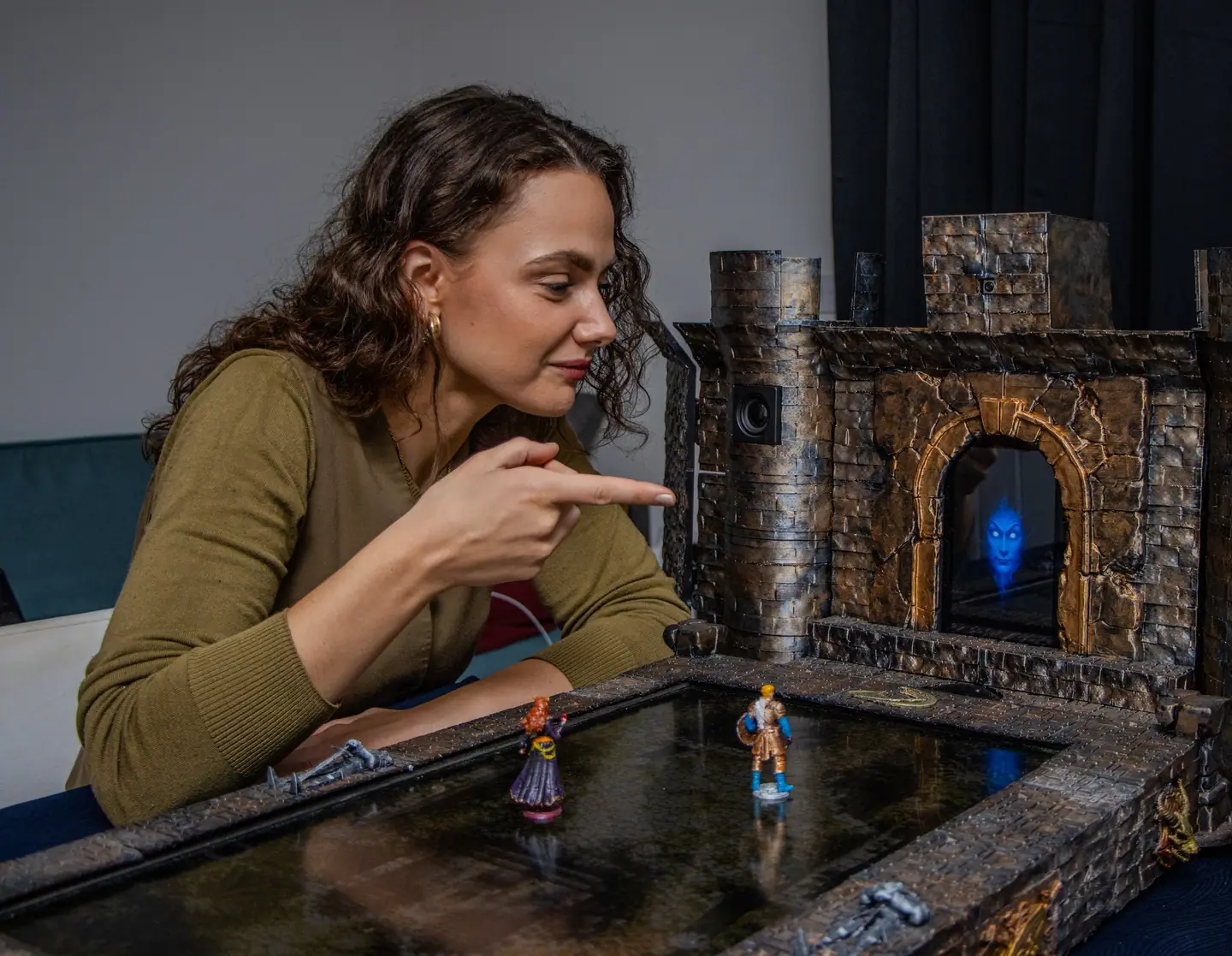
Realm Kinetics is developing Doungim as an integrated tabletop console combining maps, AI, camera input, voice interaction and physical play.
That does not make older TTRPG tools obsolete. It shows how the category is expanding from individual utilities toward systems that can understand more of the whole session.
TTRPG technology is ultimately about supporting a highly flexible form of play. The best tools are the ones that reduce administration while leaving room for players and Game Masters to improvise.